




When a drunk driver crashes into you on a Texas highway, your life changes in an instant. The physical injuries, emotional trauma, and financial devastation that follow are compounded by one infuriating reality: this collision was completely preventable. While the intoxicated driver faces criminal prosecution, you’re left dealing with mounting medical bills, lost wages, and insurance companies that seem more interested in protecting their bottom line than your recovery.
If you’ve been injured in a DUI accident in Texas, understanding your legal rights has never been more critical, especially with significant changes to Texas DWI laws that took effect in 2025. At JML Injury Law, we’ve represented countless victims of drunk driving accidents, and we’re committed to ensuring you receive every dollar of compensation you deserve while the negligent driver faces full accountability.
The Sobering Reality of DUI Accidents in Texas
Texas continues to struggle with one of the nation’s highest rates of alcohol-related traffic fatalities. In 2024, drunk driving claimed 1,053 lives across the state, accounting for more than one in four of all traffic deaths. These aren’t just statistics. Behind each number is a family forever changed, a career cut short, or a future stolen by someone’s selfish decision to drive impaired.
The problem extends far beyond fatalities. For every death caused by a drunk driver, dozens more Texans suffer catastrophic injuries including traumatic brain injuries, spinal cord damage, multiple fractures, and internal organ damage. Many of these victims face permanent disabilities, years of rehabilitation, and medical expenses that can easily exceed hundreds of thousands or even millions of dollars.
What makes these crashes particularly tragic is their preventability. Every single DUI accident represents a conscious choice by the driver to endanger everyone sharing the road. Texas law recognizes this reality, which is why lawmakers have consistently strengthened penalties and protections for victims.

Critical Changes to Texas DWI Laws in 2025 That Affect Your Case
September 2025 marked a watershed moment for DUI victim rights in Texas with the implementation of several landmark legal changes. Understanding these new laws is essential for anyone injured by a drunk driver because they can significantly impact both the criminal prosecution and your civil injury claim.
Enhanced Penalties for Multi-Victim DWI Fatalities
The most significant change elevates drunk driving deaths involving multiple victims to first-degree felonies, representing a major increase from the previous second-degree classification. Previously, an intoxicated driver who killed multiple people in a single crash might face separate second-degree felony charges for each victim. Under the new law, prosecutors can pursue first-degree felony charges when multiple deaths result from a single drunk driving incident.
This enhanced classification carries substantially harsher penalties, including five to 99 years or life in prison and fines up to $10,000. While this change primarily affects criminal prosecution, it sends a powerful message about Texas’s commitment to holding drunk drivers accountable and can influence settlement negotiations in civil cases.
Expanded Ignition Interlock Requirements
New 2025 regulations expand ignition interlock device requirements for first-time DWI offenders with a blood alcohol concentration of 0.08 or higher. Previously, interlock devices were typically reserved for repeat offenders or those with particularly high BAC levels. Courts now have broader authority to mandate these devices even for first offenses, potentially keeping dangerous drivers off the roads and protecting future victims.
For injury victims, these expanded requirements demonstrate the severity with which Texas courts now treat drunk driving offenses. This evolving legal landscape can strengthen your position when negotiating with insurance companies or presenting your case to a jury.
Bentley’s Law: Financial Accountability for Orphaned Children
One of the most emotionally significant new protections is the full implementation of Bentley’s Law, named after a Missouri boy who lost both parents to a drunk driver. This law, which Texas adopted in modified form in 2023, requires intoxicated drivers who kill a parent to pay child support to surviving children until they reach age 18.
The court determines payment amounts based on various factors including the deceased parent’s income, the number of children affected, and the financial needs of the family. While no amount of money can replace a parent, Bentley’s Law provides critical financial support for families devastated by drunk driving and reinforces the principle that drunk drivers must face comprehensive consequences for their actions.
Your Rights as a DUI Accident Victim: Criminal vs. Civil Cases
Many accident victims don’t fully understand the crucial distinction between the criminal case against the drunk driver and their own civil injury claim. These are separate legal proceedings with different purposes, standards of proof, and outcomes.
The Criminal Case: Prosecution by the State
When a drunk driver causes an accident in Texas, the state prosecutes them for Driving While Intoxicated under Texas Penal Code Section 49.04. If the crash resulted in serious injuries, the driver may face additional charges of intoxication assault, a third-degree felony carrying two to ten years in prison and fines up to $10,000.
In fatal DUI accidents, prosecutors charge intoxication manslaughter, which under new 2025 laws can be prosecuted as a first-degree felony when multiple deaths occur. The criminal case seeks to punish the driver and protect the public through incarceration, fines, license suspension, and other penalties.
As the victim, you have certain rights in the criminal proceeding including the right to be notified of hearings, provide a victim impact statement, and be informed of plea agreements. However, the criminal case doesn’t directly compensate you for your injuries.
The Civil Case: Your Path to Compensation
Your personal injury claim is a separate civil lawsuit where you seek financial compensation for the harm the drunk driver caused. Unlike the criminal case where guilt must be proven “beyond a reasonable doubt,” civil cases use the lower standard of “preponderance of the evidence,” meaning it’s more likely than not that the driver’s intoxication caused your injuries.
This lower burden of proof means you can often succeed in your civil claim even in cases where criminal charges might be difficult to prove. The civil case allows you to recover damages for medical expenses, lost wages, pain and suffering, disability, and other losses directly attributable to the drunk driver’s negligence.
Immediate Steps to Protect Your Rights After a DUI Accident
The actions you take in the hours and days following a drunk driving accident can significantly impact your ability to recover full compensation. While your primary focus should always be on your health and safety, certain steps are crucial for protecting your legal rights.
At the Accident Scene
If you’re physically able, call 911 immediately and clearly state that you believe the other driver may be intoxicated. This ensures police respond and conduct proper sobriety testing. Texas law enforcement officers are trained to recognize signs of impairment including slurred speech, bloodshot eyes, the odor of alcohol, and poor coordination.
Request that officers administer field sobriety tests and chemical testing. The police report documenting the driver’s intoxication becomes critical evidence in your civil case. If possible, use your phone to photograph the accident scene, vehicle damage, skid marks, traffic signals, and any visible signs of the other driver’s impairment such as open containers or drug paraphernalia.
Gather contact information from witnesses who can testify about the driver’s behavior before and after the crash. Independent witnesses who observed the driver swerving, speeding, or showing signs of intoxication provide powerful corroboration of your claims.
Seek Immediate Medical Attention
Even if you don’t believe you’re seriously injured, seek medical evaluation immediately. Adrenaline can mask pain and injuries, and some serious conditions like internal bleeding or traumatic brain injuries may not show immediate symptoms. Delaying medical care gives insurance companies ammunition to argue that your injuries weren’t serious or weren’t caused by the accident.
Tell medical providers about all your symptoms, even those that seem minor. Medical records created immediately after the accident provide crucial documentation linking your injuries to the drunk driving collision. Follow all treatment recommendations and keep every appointment. Gaps in medical treatment allow insurance adjusters to question the severity of your condition.
Preserve All Evidence
Keep everything related to the accident. This includes medical records, bills, prescription receipts, wage loss documentation, the police report, photographs, witness statements, and any communication with insurance companies. Create a dedicated file or folder for all accident-related documents.
If you had to replace or repair damaged property such as clothing, phones, or personal items, save receipts and photographs of the damaged items. Document how your injuries affect your daily life through a journal noting pain levels, activities you can no longer perform, and emotional struggles.
Understand Texas’s Insurance Notification Requirements
Texas law requires you to report accidents resulting in injury or death to the Texas Department of Transportation within ten days. However, you should contact your own insurance company much sooner, typically within 24 to 48 hours. Your policy likely requires prompt notification, and failure to report can jeopardize coverage.
When speaking with your own insurer, stick to basic facts. You were in an accident, you believe the other driver was intoxicated, and you’re seeking medical care. Avoid detailed statements about fault or injuries until you’ve consulted with an attorney. Be especially cautious with the at-fault driver’s insurance company. You have no obligation to provide them with a recorded statement, and doing so can harm your claim.
Compensation Available to DUI Accident Victims in Texas
Drunk driving victims in Texas can pursue several categories of damages, often resulting in significantly higher settlements than typical car accident cases. Courts and juries tend to view DUI cases with particular severity, recognizing the conscious choice to drive impaired.
Economic Damages: Quantifiable Financial Losses
Economic damages compensate for measurable financial harm including all past and future medical expenses. In serious DUI accidents, medical costs can be staggering. Emergency room treatment, surgeries, hospital stays, rehabilitation, physical therapy, prescription medications, medical devices, and home modifications for disabilities can easily reach six or seven figures.
Future medical expenses are particularly important in catastrophic injury cases. If you require ongoing treatment, future surgeries, or lifelong care, your attorney must work with medical experts to accurately project these costs. Insurance companies routinely undervalue future medical needs, making expert testimony essential.
Lost wages include both the income you’ve already missed due to injury-related absences and your diminished future earning capacity. If your injuries prevent you from returning to your previous occupation or limit your ability to advance in your career, you can recover compensation for the difference between what you would have earned and what you can now earn given your limitations.
Property damage compensation covers vehicle repairs or replacement value, plus damage to any other personal property destroyed in the crash. While typically the smallest component of a DUI accident claim, proper documentation of property losses ensures you receive full compensation.
Non-Economic Damages: Subjective Losses
Non-economic damages compensate for subjective harm that doesn’t have a clear dollar value. Pain and suffering encompasses both the physical pain from your injuries and the mental anguish of living with trauma, disability, or disfigurement. Texas law doesn’t cap non-economic damages in most DUI accident cases, allowing juries to award what they deem appropriate based on the severity of your suffering.
Loss of enjoyment of life recognizes that serious injuries often prevent victims from engaging in activities they previously loved. Whether you can no longer play with your children, participate in sports, pursue hobbies, or maintain an active lifestyle, you deserve compensation for these profound losses.
Emotional distress damages address the psychological impact of the accident including anxiety, depression, post-traumatic stress disorder, and the fear of driving or being in vehicles. Many DUI accident victims require ongoing psychological counseling to process the trauma of being struck by a drunk driver.
Disfigurement and disability damages recognize the permanent physical changes and limitations you’ll carry for life. Visible scarring, amputations, paralysis, and other permanent impairments affect not just your physical capabilities but your self-image and how others perceive you.
Exemplary (Punitive) Damages: Punishing Egregious Conduct
Texas law allows exemplary damages, also called punitive damages, in cases involving gross negligence or malice. Drunk driving often qualifies for these additional damages because choosing to drive while intoxicated demonstrates a conscious disregard for the safety of others.
Under Texas Civil Practice and Remedies Code Section 41.008, exemplary damages are generally capped at the greater of $200,000 or two times economic damages plus non-economic damages up to $750,000. However, courts can award higher amounts in cases involving particularly egregious conduct.
Exemplary damages serve two purposes: punishing the drunk driver for their reckless behavior and deterring others from making similar dangerous choices. Juries in DUI cases often award substantial punitive damages, recognizing that financial penalties can prevent future drunk driving incidents.
Why Texas’s Minimum Insurance Coverage Fails DUI Victims
One of the most frustrating realities for DUI accident victims in Texas is discovering that the at-fault driver carries only the state-mandated minimum insurance coverage. Texas requires drivers to maintain liability insurance of just $30,000 per person for bodily injury, $60,000 per accident when multiple people are injured, and $25,000 for property damage.
These minimums are woefully inadequate for serious DUI accidents. A single night in a trauma center can cost $30,000 or more. Multiple surgeries, extended hospital stays, rehabilitation, and years of follow-up care can easily exceed $500,000 to $1 million or more. When the drunk driver carries only minimum coverage, their insurance policy is exhausted long before your actual losses are compensated.
This insurance coverage gap is why experienced DUI accident attorneys explore all available sources of compensation. Your own uninsured and underinsured motorist coverage can provide additional compensation when the at-fault driver lacks sufficient insurance. Many Texans don’t realize their own policy can pay benefits for injuries caused by drunk drivers with inadequate coverage.
Social host liability can apply when the drunk driver was served alcohol at someone’s home or private event. Texas Dram Shop laws, codified in the Texas Alcoholic Beverage Code, allow injury victims to sue bars, restaurants, and other establishments that served alcohol to obviously intoxicated persons who then caused accidents. If the driver was visibly intoxicated when served, or if they were a minor, the establishment that provided alcohol can be held liable.
Commercial vehicle and employer liability comes into play when the drunk driver was operating a company vehicle or was acting within the scope of employment. Employers can be held vicariously liable for their employees’ negligent actions, and commercial vehicle insurance policies typically carry much higher liability limits than personal auto policies.

The Critical Role of Evidence in DUI Accident Cases
Building a strong DUI accident case requires comprehensive evidence documenting both the driver’s intoxication and the full extent of your injuries. While the police report provides crucial information, experienced attorneys gather additional evidence to maximize your compensation.
Chemical Test Results and Field Sobriety Tests
Blood alcohol concentration results and drug test results provide objective proof of intoxication. Texas law defines intoxication as having a BAC of 0.08 or higher, though drivers can be prosecuted for DWI at lower levels if their driving ability was impaired. In serious injury cases, prosecutors and civil attorneys often obtain medical records showing the driver’s BAC measured at the hospital, which can provide additional evidence beyond roadside tests.
Field sobriety test results, dash camera footage, and officer testimony about the driver’s appearance and behavior paint a picture of impairment. Failed field sobriety tests, slurred speech, inability to follow simple instructions, and belligerent behavior all strengthen your case.
Accident Reconstruction and Expert Testimony
Complex DUI accidents often require accident reconstruction experts who analyze physical evidence, vehicle damage, skid marks, and crash dynamics to determine speed, impact forces, and sequence of events. These experts can demonstrate how the drunk driver’s impairment contributed to the collision.
Medical experts testify about your injuries, necessary treatment, prognosis, and future medical needs. Their testimony establishes the full extent of your damages and counters insurance company doctors who may minimize your injuries.
Economic experts calculate lost earning capacity, especially in cases involving permanent disability. They consider your age, education, work history, career trajectory, and how your injuries limit future employment opportunities.
Toxicology and Prior DWI History
The drunk driver’s toxicology report may reveal not just alcohol but also drugs that contributed to impairment. The combination of alcohol and prescription medications, illegal drugs, or even over-the-counter medications can dramatically increase impairment levels.
Prior DWI convictions or arrests are often admissible in civil cases to show a pattern of drunk driving. A driver with multiple DWI offenses who continued to drive intoxicated demonstrates the kind of conscious disregard for safety that justifies exemplary damages.
Modified Comparative Negligence: Protecting Your Full Recovery
Texas follows a modified comparative negligence rule that can significantly impact your compensation. Under this system, your damages are reduced by your percentage of fault, but you’re completely barred from recovery if you’re found more than 50% responsible for the accident.
Insurance companies representing drunk drivers often attempt to shift partial blame to victims, arguing you were speeding, failed to maintain your lane, or were otherwise negligent. These tactics are particularly offensive in DUI cases where the other driver made a conscious choice to drive while impaired.
Common defense arguments include claiming you failed to avoid the collision even though the drunk driver created the dangerous situation, suggesting you were distracted or not wearing a seatbelt, or arguing that road conditions or vehicle defects contributed more than the driver’s intoxication.
Protecting your full compensation requires immediately documenting the accident scene, obtaining witness statements corroborating your account, preserving vehicle computer data showing your speed and braking, and working with reconstruction experts who can definitively establish fault.
Never accept partial responsibility in statements to insurance adjusters. Phrases like “I didn’t see them until it was too late” or “maybe I could have braked sooner” can be twisted to suggest shared fault. Let your attorney handle all communication with insurance companies and their investigators.
The Two-Year Statute of Limitations and Why Immediate Action Matters
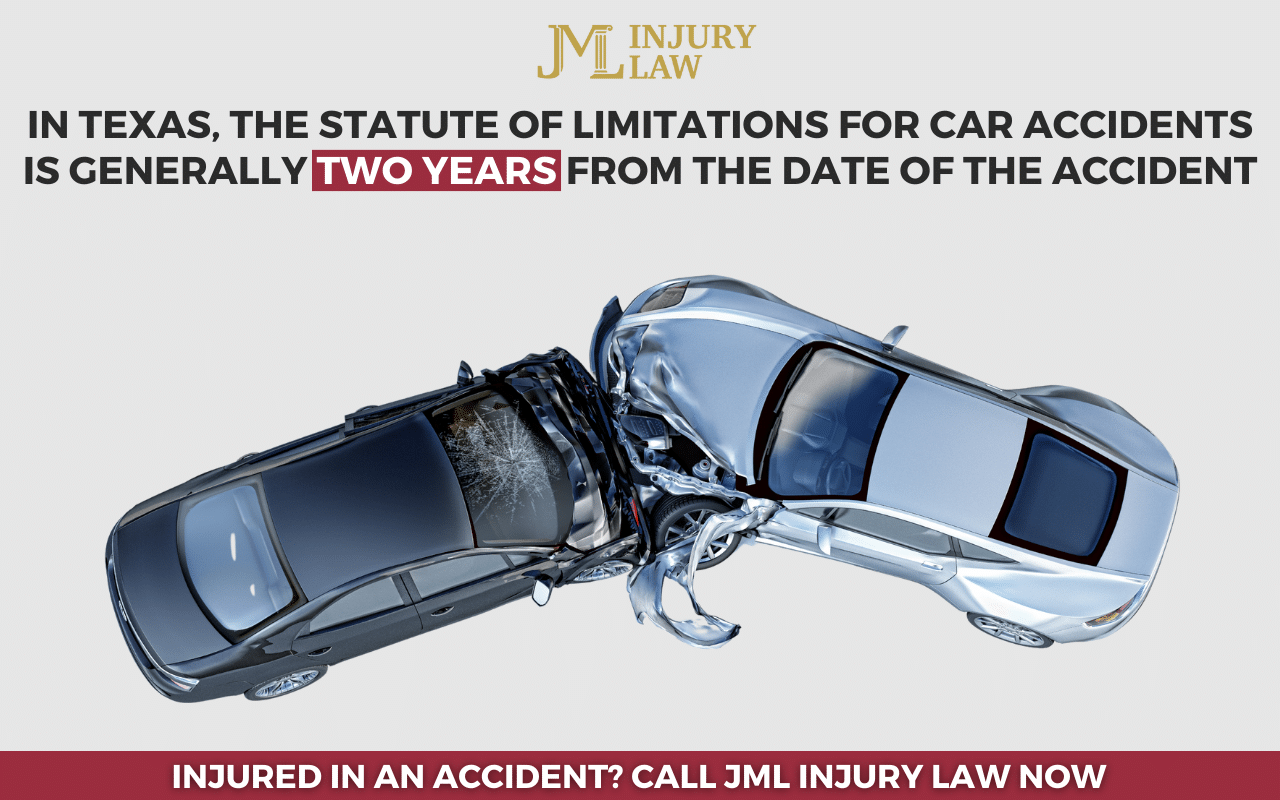
Texas law imposes a strict two-year statute of limitations for personal injury claims. You must file your lawsuit within two years from the date of the accident, or you lose the right to pursue compensation forever, regardless of how severe your injuries or how clear the drunk driver’s fault.
While two years might seem like ample time, serious injury cases require extensive investigation, expert consultation, and negotiation. Waiting until the deadline approaches leaves insufficient time to build the strongest possible case. Critical evidence disappears over time. Witnesses’ memories fade, security camera footage is erased, and physical evidence deteriorates.
Additionally, Texas imposes a separate six-month deadline if your case involves a government entity. If the drunk driver was a government employee operating a government vehicle, or if dangerous road conditions maintained by a city or county contributed to the accident, you must file a formal notice of claim within six months.
There are limited exceptions to the two-year rule. Minors generally have until their 20th birthday to file claims for injuries sustained before age 18. Legal incapacity can toll the statute of limitations for persons declared incompetent. The discovery rule may apply when injuries aren’t immediately apparent, though courts apply this exception narrowly.
Why You Need Specialized Legal Representation
DUI accident cases present unique challenges requiring attorneys with specific experience in both drunk driving litigation and catastrophic injury claims. Insurance companies assign their most aggressive adjusters and attorneys to these high-value cases, knowing that substantial damages are at stake.
Specialized DUI accident attorneys understand the interplay between criminal and civil proceedings, knowing how to use evidence from the criminal case to strengthen your civil claim while protecting your interests in both proceedings. They have relationships with toxicology experts, accident reconstructionists, and medical specialists who can provide compelling testimony about impairment and injuries.
These attorneys know how to identify and pursue all available sources of compensation including the drunk driver’s personal assets, umbrella policies, employer liability, and social host or dram shop claims. They’re skilled at calculating the true value of catastrophic injuries, ensuring future medical needs and lost earning capacity are fully documented and claimed.
Perhaps most importantly, experienced DUI accident lawyers are prepared to take cases to trial when insurance companies refuse fair settlement offers. The threat of a jury trial, where drunk driving cases typically result in substantial verdicts, often motivates insurers to make reasonable offers.
Taking the First Step Toward Justice and Recovery
If you or a loved one has been injured by a drunk driver in Texas, you’re facing one of life’s most challenging situations. The physical pain, emotional trauma, and financial stress can feel overwhelming, especially when you’re trying to navigate complex legal systems while recovering from serious injuries.
At JML Injury Law, we’ve dedicated our practice to helping DUI accident victims obtain the justice and compensation they deserve. Our bilingual legal team understands the unique challenges facing Texas families, and we’re committed to providing culturally sensitive, compassionate representation during your most difficult moments.
We work on a contingency fee basis, meaning you pay no attorney fees unless we recover compensation for you. This arrangement allows you to access experienced legal representation without worrying about upfront costs while you’re already facing medical bills and lost income.
Your initial consultation is completely free and confidential. We’ll review the details of your accident, explain your legal options, and provide honest advice about the strength of your case and the compensation you may be entitled to receive. There’s no obligation, and the consultation costs you nothing.
The drunk driver who injured you made a choice. They chose to drink and drive, knowing the dangers they created for everyone sharing the road. Now it’s time to make your choice: to hold them fully accountable and fight for the compensation you need to rebuild your life.
Contact JML Injury Law today for your free consultation. Your recovery and your family’s future are too important to leave to chance.